

/prod01/wlvacuk/media/departments/digital-content-and-communications/images-2026/Claire-Macdonald-graduate---courtyard-2-wolf-resized.jpg)
/prod01/wlvacuk/media/departments/digital-content-and-communications/submitted-news-images/nss2026_800x400-1.jpg)
/prod01/wlvacuk/media/departments/digital-content-and-communications/images-2026/University-research-helps-shape-Malaysia's-dementia-future.jpg)
/prod01/wlvacuk/media/departments/digital-content-and-communications/Adopting-AI-for-Business.jpg)
/prod01/wlvacuk/media/departments/digital-content-and-communications/submitted-news-images/54505138639_670536a9d0_c.jpg)
/prod01/wlvacuk/media/departments/digital-content-and-communications/images-2024-25/240328-Lenovo-Motorsport-Students-Resized.jpg)
Queer history of zines
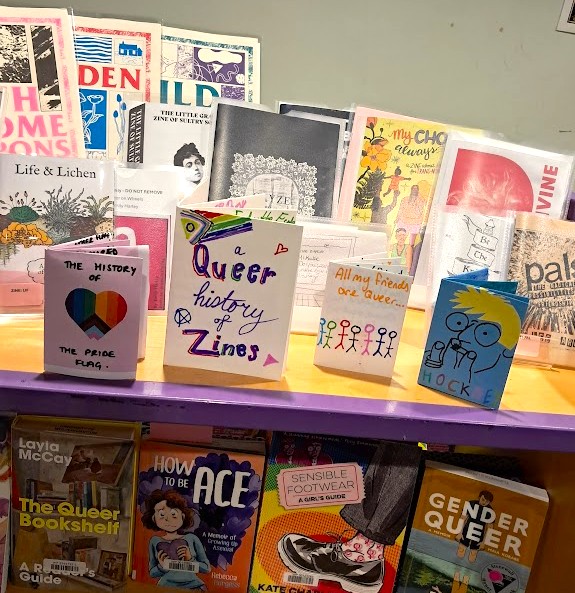
As part of the Pride celebrations we hosted a zine workshop at city campus, thanks to those who came along and added to our growing collection. In preparing for the workshop one of our librarians took a deep dive into the history of zines and the LGBT community.
“Zines come from a shortening of Fan Magazine, first to Fanzine, and then finally just from Zine. The first zine began in the 1930s in the USA, a publication called the Comet run by science fiction fans where they discussed both science fiction and the real-life science that inspired it alike. Science fiction fans continued this tradition into the 1940s where more fan groups continued to make their own fanzines, and the invention of the Xerox machine, a predecessor to photocopiers and means of mass copying for circulation, made creating and sharing zines easier.
The 1940s also saw the first queer zine authored by Lisa Ben (an anagram of lesbian to maintain the anonymity of the actual author). The zine, Vice Versa: America’s Gayest Magazine, was first published in Los Angeles in 1947 by Edythe Eyde, a lesbian active in the gay activist scene her whole life. She used the tools at her workplace to create a zine with upbeat stories, editorials, and letters to entertain readers and show the pleasure of their gay existence. She expressed hope for future where lesbian weddings happened, and gay people could live out and happy. Only 9 issues were created that were shared among friends and at Lesbian bars, but Edythe Eyde under the guise of Lisa Ben provided the blueprint for queer zines going forward.
Zines continued to be adopted by different fandoms over the 1950s and 1960s. By the 1970s, photocopiers had become more commonly available, opening up an avenue for more people to make, copy, and circulate zines. At the same time, both driving and drawing from each other, the Punk and Grunge scene took off. This counter-culture movement had a very DIY aesthetic and rebuffed most mainstream styles and organisations, and the fans quickly found themselves side by side with zinesters. Punk soon became the scene from which most zines were originating. This is where the single-page, hand drawn format overtook a more booklet-like format for zines.
Queer punk artists forged the queercore scene with zines. The Toronto queercore scene was ‘fabricated’ by the G.B. Jones and Bruce LaBruce who used their new zine J.D.s to spread the illusion that there was a queer punk explosion happening in Toronto that had previously been non-existent and so breathed life into it. Across America and Britain, zines were being handed out at punk concerts and many were surrounding the queer subcultures, including Fertile La Toyah Jackson Fanzine, Homocore, and Bimbo. Zines connected us, built community, and helped the growing LGBTQ+ visibility thrive.
In Britain, zines rose to increasing prominence due to Section 28. This law came into affect in 1988 under Margaret Thatcher and forbid authorities in England, Scotland and Wales from “intentionally promot[ing] homosexuality or publish[ing] material with the intention of promoting homosexuality”. Appearing during the HIV/AIDS epidemic, this law attempted to silence the LGBTQ+ community. In response, the queer community turned to zines, which were self-published and anonymous, to rally. Zines circulated important health information, drove continuing activism, and presented our community, art, history, stories, and relationships in our own voices. Zines were a lifeline that much like Lisa Ben’s original zine presented a hope for a future that the mainstream refused to acknowledge.
As the internet grew in the 2000s, with the rise of blogging and social media, much of the queer community started to move online. While photocopied zines could circulate widely, the internet could reach internationally. Many predicted that queer self-publishing would be replaced with these new online queer communities, however the future of both print and online queer zines seems to be flourishing alongside each other.
Zines are now shared online which for international viewers to print themselves. They continue to be vital tool of current art and activism, fighting for trans rights and access to healthcare as we face increasing backlash in the modern world. Similarly, others are turning to zines as a way around Online Safety Act legislation that is unfairly labelling queer content as ‘mature’ and censoring it.
The zine workshop is an opportunity to continue this long tradition of queer zines. Taking inspiration from the community, those we admire, what we hope for the future, a political topic we care for deeply and generally building connections between ourselves and continuing to preserve queer voices for the future.”
Further resources
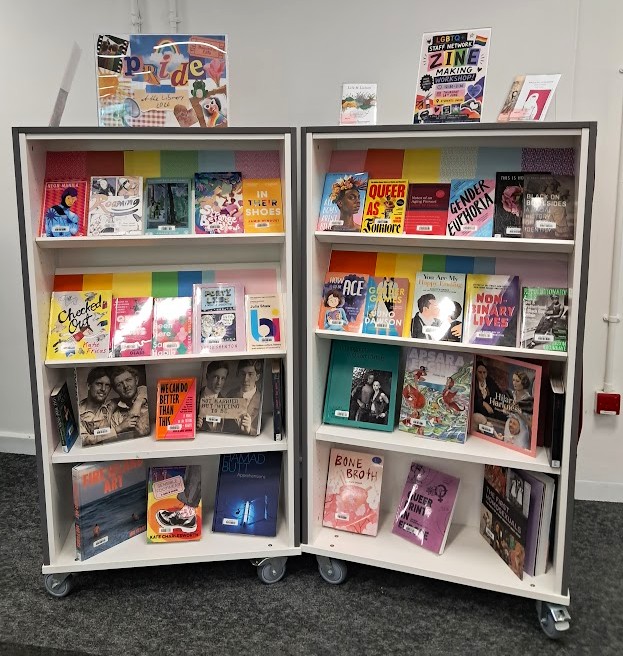
For resources on queer history and voices check out our Pride displays in the library and online collection.
For more information on queer zines then check out the following:
- LGBTQIA+ zines - London College of Communication: University of Arts zine collection
For more information please contact the Corporate Communications Team.