School of Architecture, Computing and Engineering

BSc (Hons) Architectural Design Technology with Foundation Year

BSc (Hons) Full-time 4 years, Part-time 8 years

Don't have the grades yet? Our Foundation Year route is built for exactly that. One extra year gives you the maths, drawing, digital and academic skills you need, before stepping onto the same CIAT and CABE-accredited degree that trains professional architectural technologists.

Don't have the grades yet? Our Foundation Year route is built for exactly that. One extra year gives you the maths, drawing, digital and academic skills you need, before stepping onto the same CIAT and CABE-accredited degree that trains professional architectural technologists.

Award
BSc (Hons)
Start date(s)
14 September 2026, 13 September 2027
UCAS Code
K190
Course specifications
Course length
Full-time (4 years),Part-time (8 years)
Campus location
University: Springfield Campus
UCAS points calculator

Why choose this course?

7th in the UK for Architecture, Building and Planning (Daily Mail University Guide 2027)

The BSc (Hons) Architectural Design Technology with Foundation Year is a four-year route into a CIAT- and CABE-accredited  architectural technology degree, designed for applicants who don't yet hold the qualifications for direct entry.

Most architecture and built environment degrees expect you to arrive already fluent in maths, technical drawing and design theory. This course doesn't. Your first year — the Foundation Year — is built to bring you up to that starting line, whatever your background: whether you left school without the right subjects, you're returning to education after time away, or you're changing career into construction and design from something unrelated entirely.

Once you've completed the Foundation Year, you move directly into Year 1 of the same architectural technologist training as our direct-entry students — same modules, same studios, same CIAT- and CABE-accredited , same Springfield site. The only difference is you'll arrive better prepared, having already built the mathematical, digital and communication skills the degree assumes you have.

That dual accreditation matters in practice: CIAT accreditation carries full academic exemption on your path to Chartered Architectural Technologist status, giving you a genuine head start once you graduate.

If you're unsure whether you have the qualifications to apply, that uncertainty is exactly what this route exists to solve — the entry bar is deliberately lower, and there's a dedicated route in even if you don't meet it.

This course is accredited by both the Chartered Institute of Architectural Technologists (CIAT) and the Chartered Association of Building Engineers (CABE).

 CIAT Logo

What's unique about this course?

  • A genuinely low entry bar — typically 48 UCAS points, roughly half what's asked for on the direct-entry route, because the Foundation Year is designed to close that gap for you.
  • A route in even without Level 3 qualifications — our "Prepare for Foundation" assessment day lets applicants without traditional grades demonstrate their interest and potential through a written assessment and practical activities, not just a UCAS points tally.
  • Purpose-built foundation modules, not a generic access course — including modules specifically orientated toward infrastructure and the built environment, alongside foundation maths and computing.
  • Taught at our Springfield site — a £120m development and Europe's largest construction centre of excellence, from your very first term.
  • Dual professional accreditation — the honours stages of this course are accredited by both the Chartered Institute of Architectural Technologists (CIAT) and the Chartered Association of Building Engineers (CABE), giving you two recognised routes into chartered status, not just one.
  • A genuine four extra years of support and progression built into a single, continuous course — you're not re-applying or changing institution between your Foundation Year and your degree.

What happens on the course?

Unlike the direct-entry route, your journey here starts a full year earlier — with a Foundation Year built to prepare you academically before the architectural technology modules begin in earnest.

Foundation Year (Year 0) – Getting you ready

This year isn't a watered-down taster; it's targeted preparation. You'll build the numeracy and problem-solving skills the degree assumes you already have, get comfortable with computing fundamentals, and take your first steps into the built environment itself — all while developing the study and communication skills you'll rely on for the rest of the course.

  • Build core numeracy through two dedicated Foundation Mathematics modules
  • Get a working grounding in computing fundamentals and applied problem-solving
  • Take your first look at infrastructure and the built environment through a dedicated orientation module
  • Develop the academic study, writing and communication skills degree-level work demands

Year 1 – Learning to design

You join the same cohort and modules as direct-entry students, learning to communicate design ideas through hand drawing, physical modelling and industry-standard CAD and BIM software, while studying the materials, structures and sustainability principles behind every building. As with the direct-entry course, there are no exams here — your first year of the honours course is assessed entirely through the design and construction work you produce.

  • Develop technical drawing and 2D/3D/4D CAD and BIM skills from scratch
  • Explore how human needs and behaviour shape good design
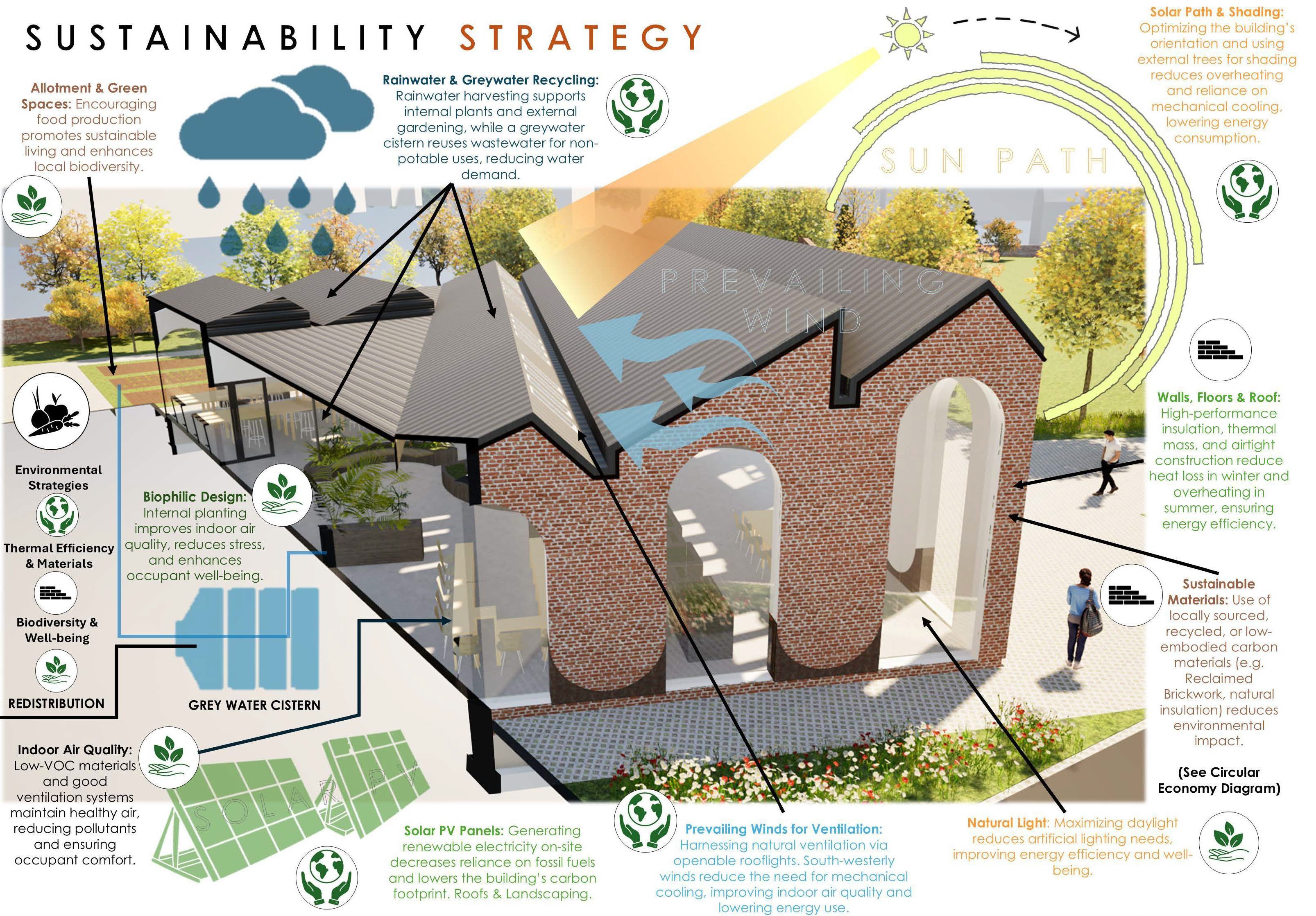
  • Study sustainable architecture principles and their environmental impact

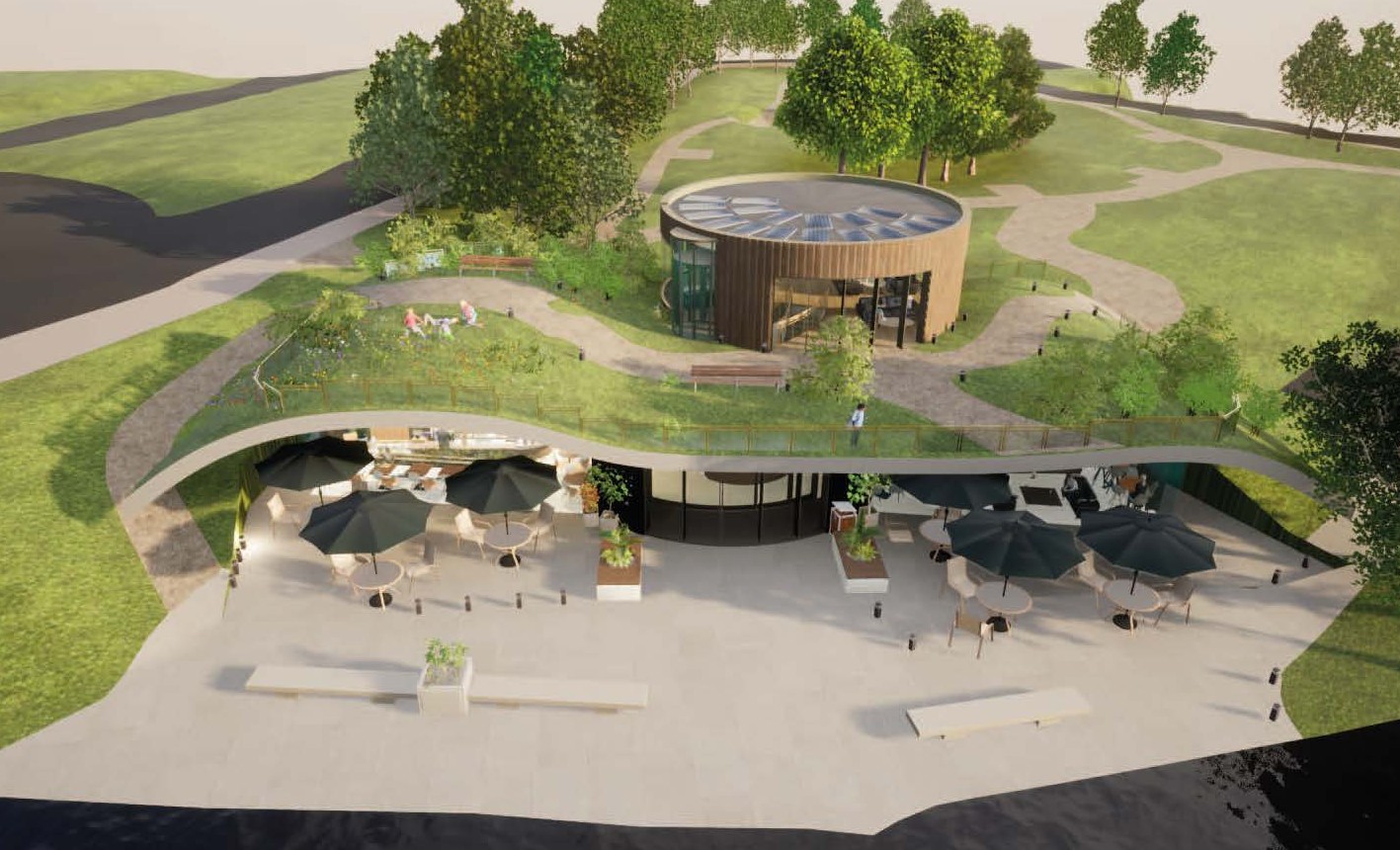
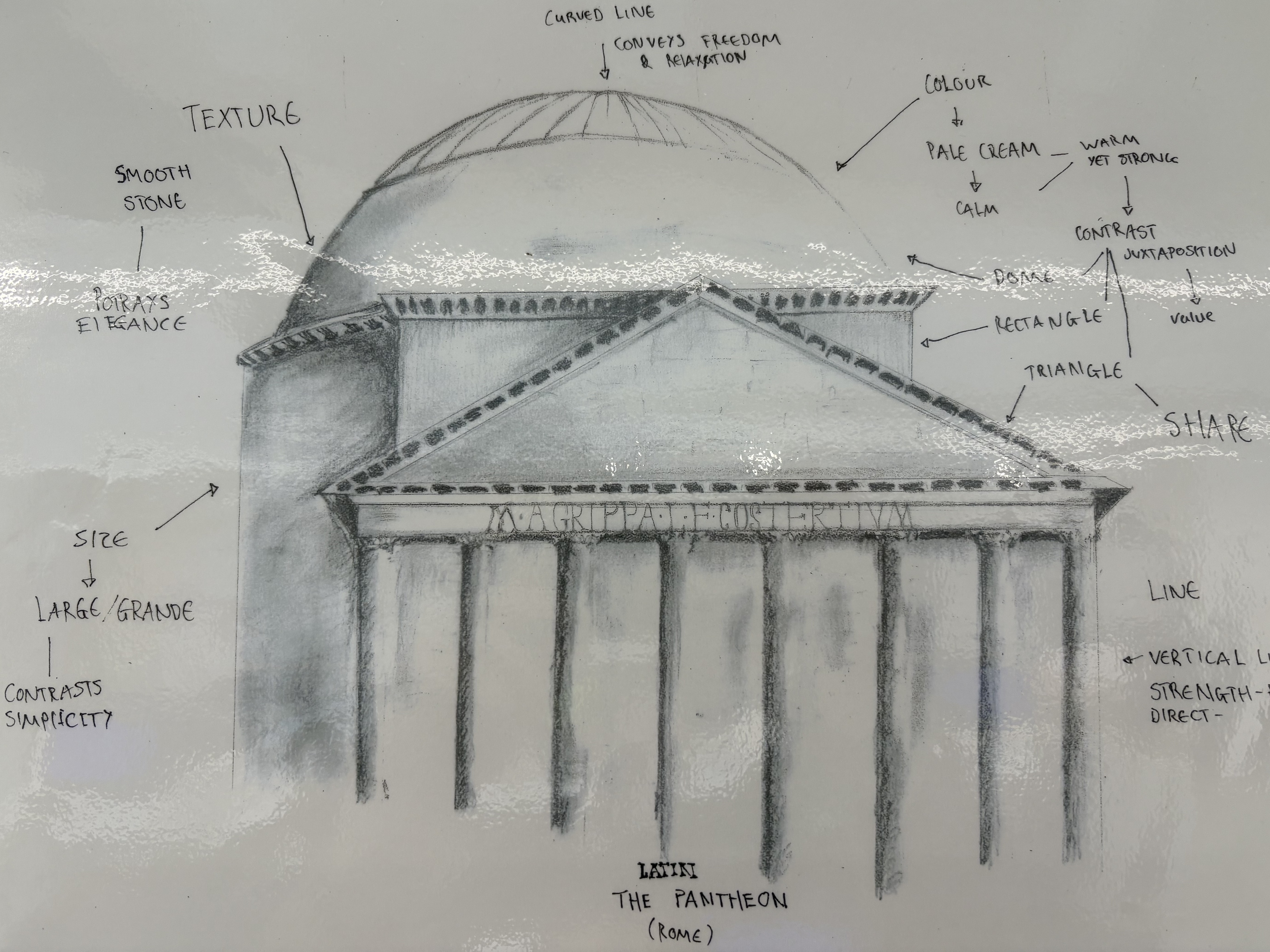
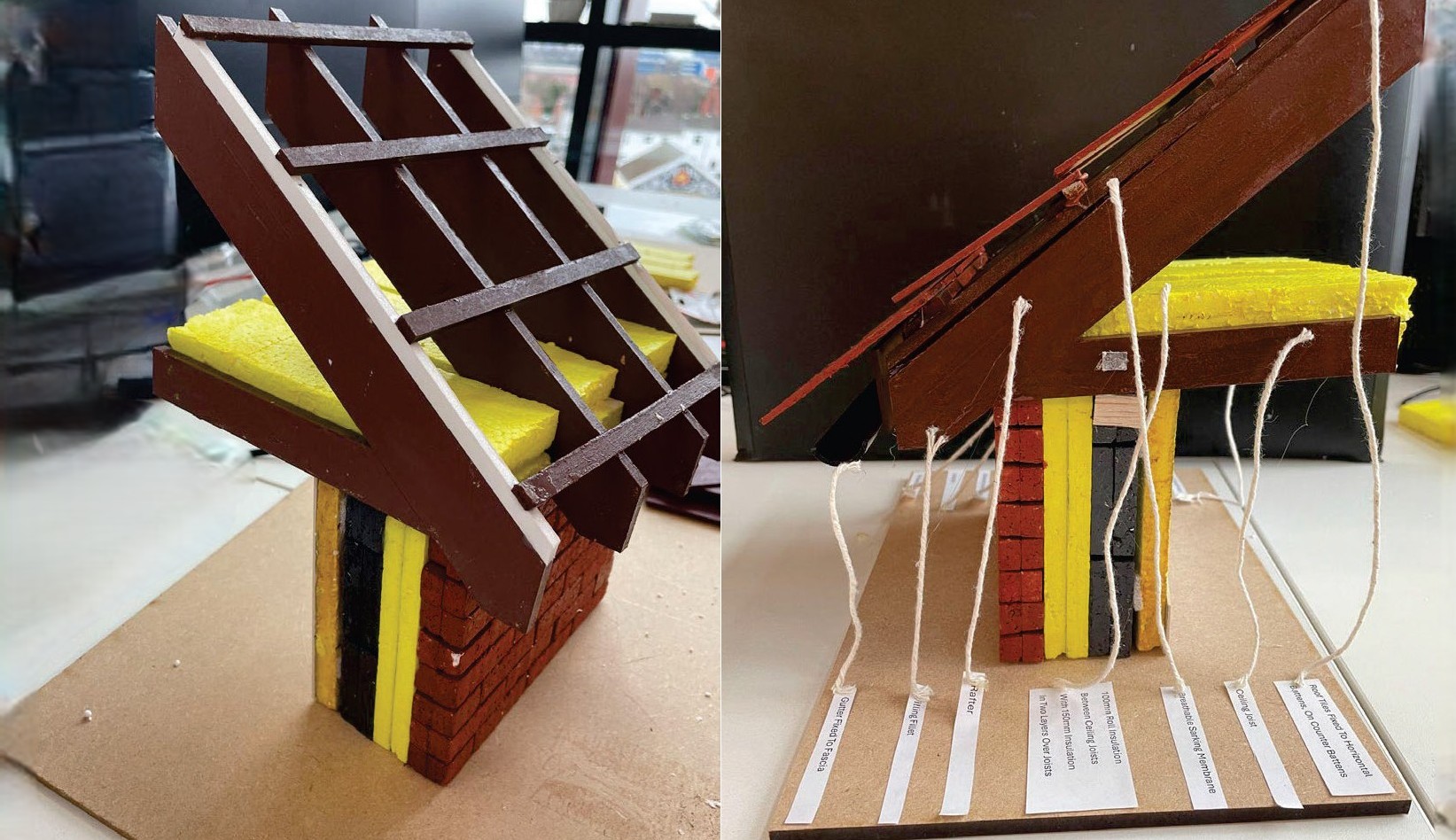
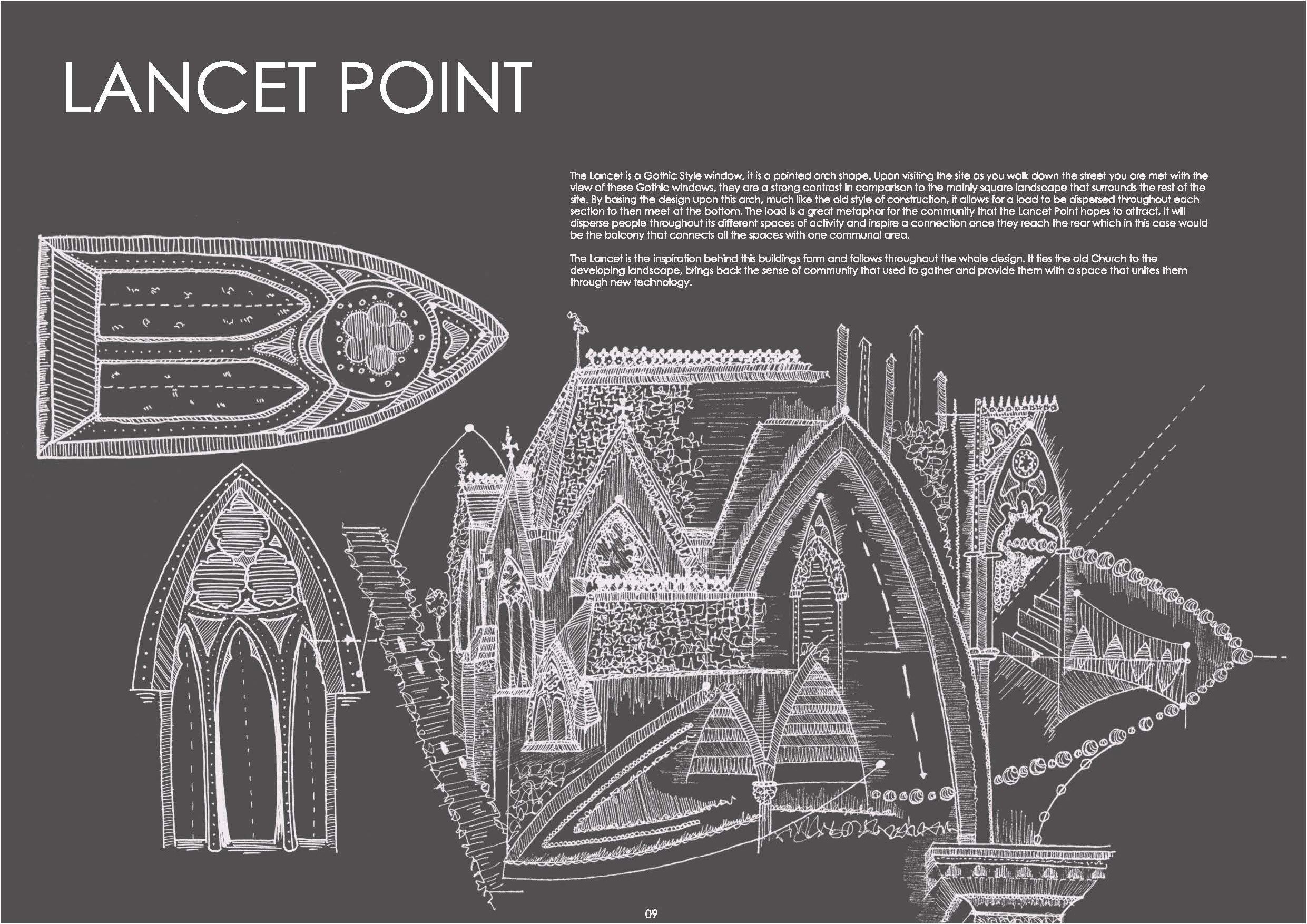
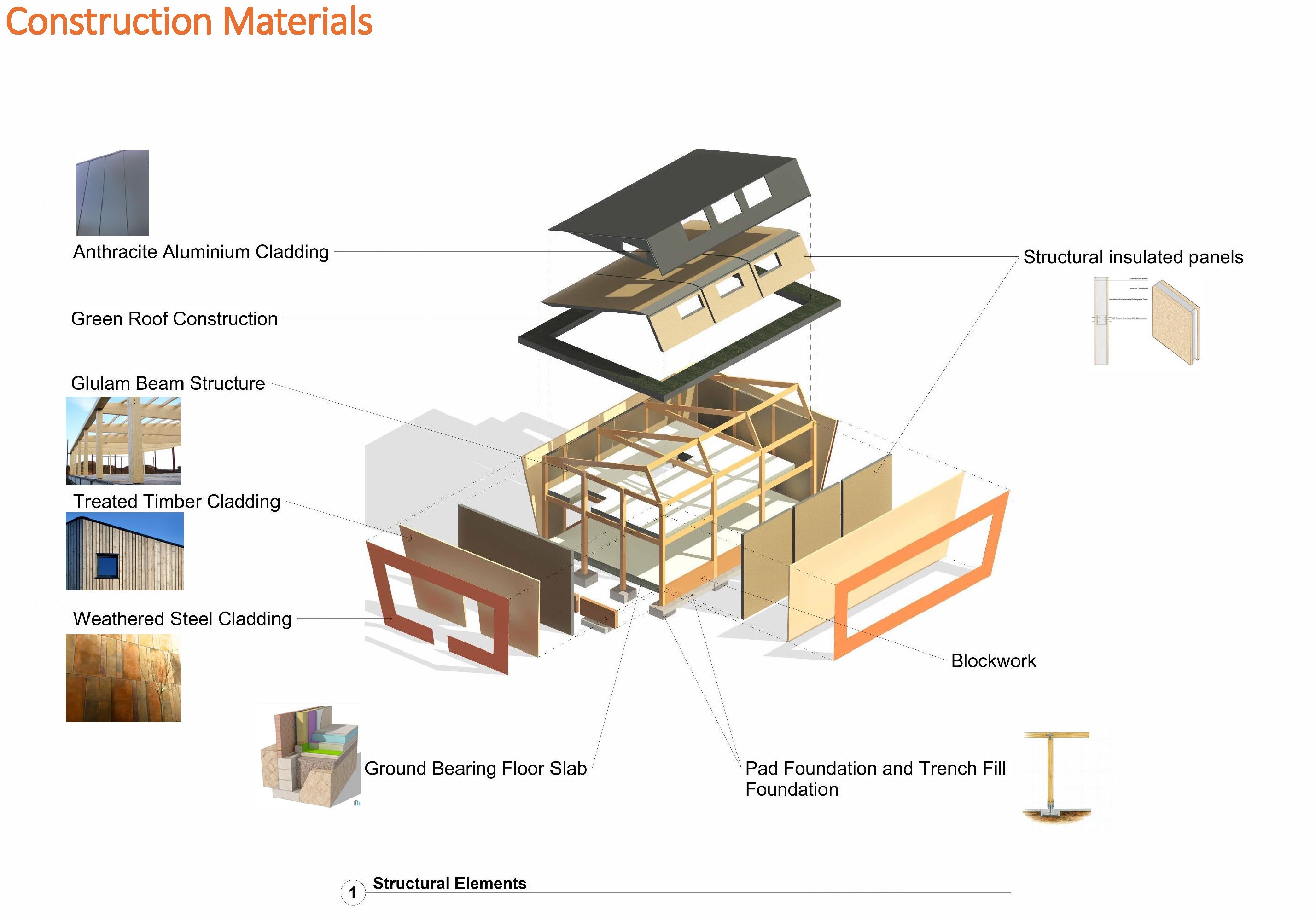
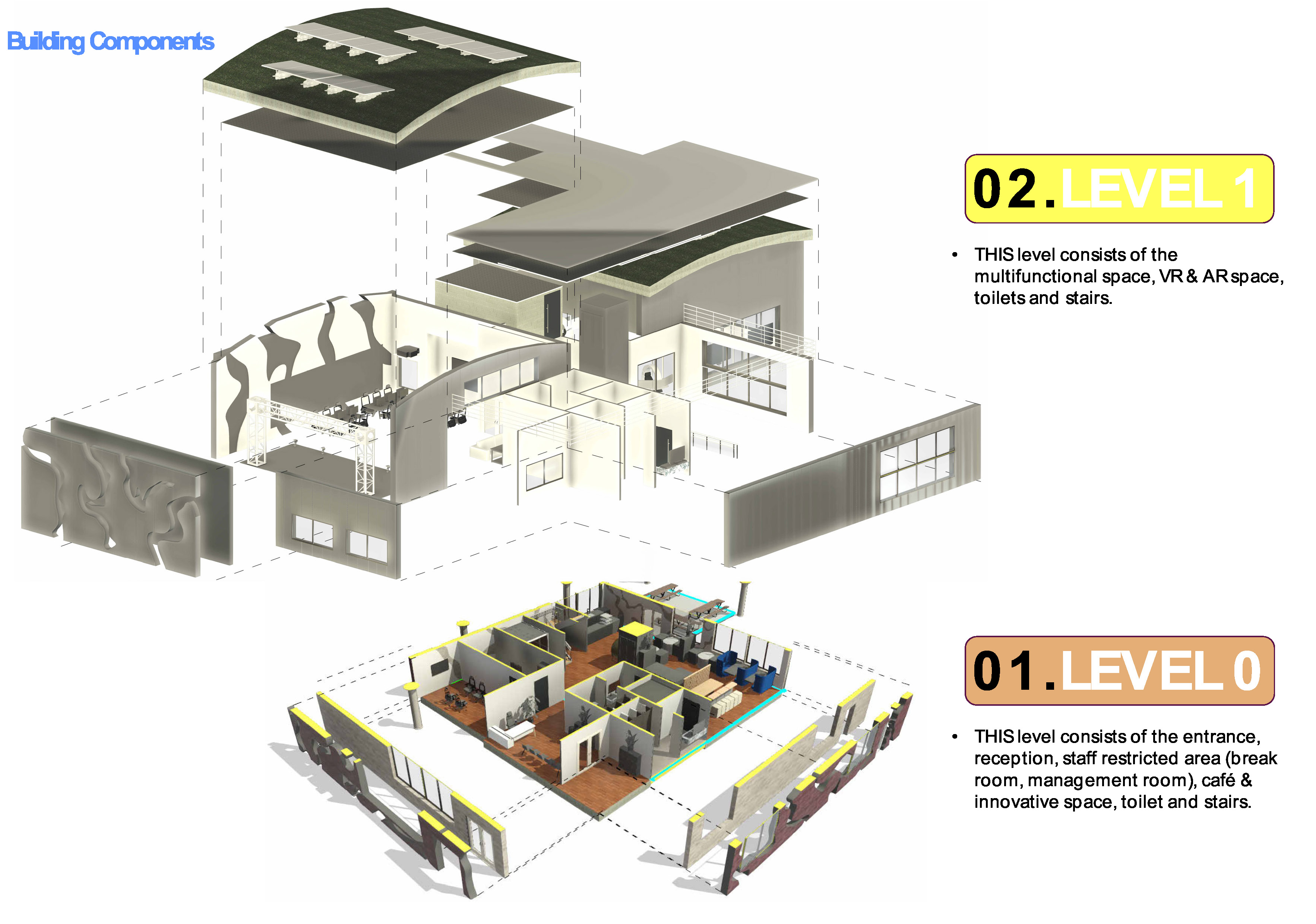
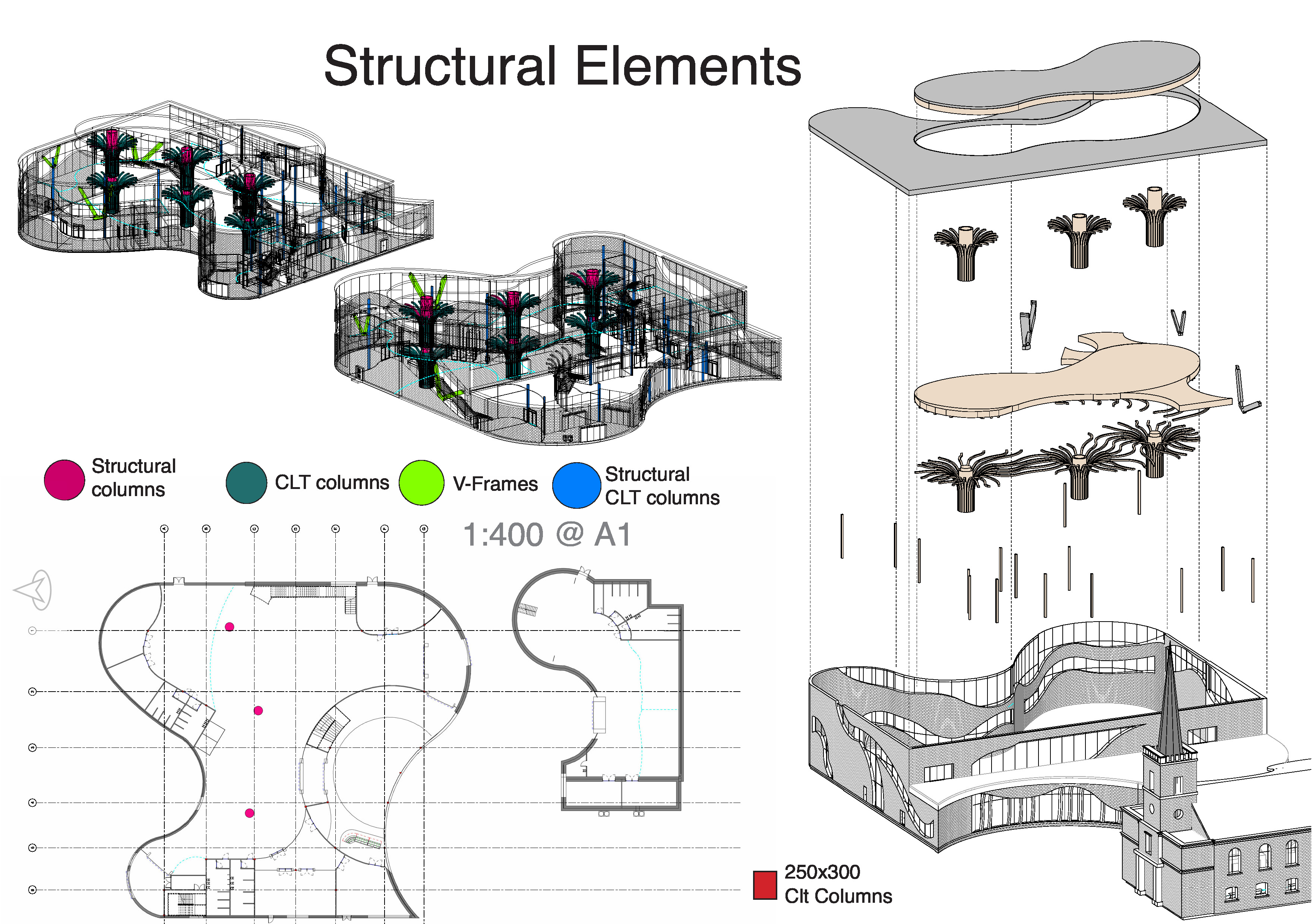
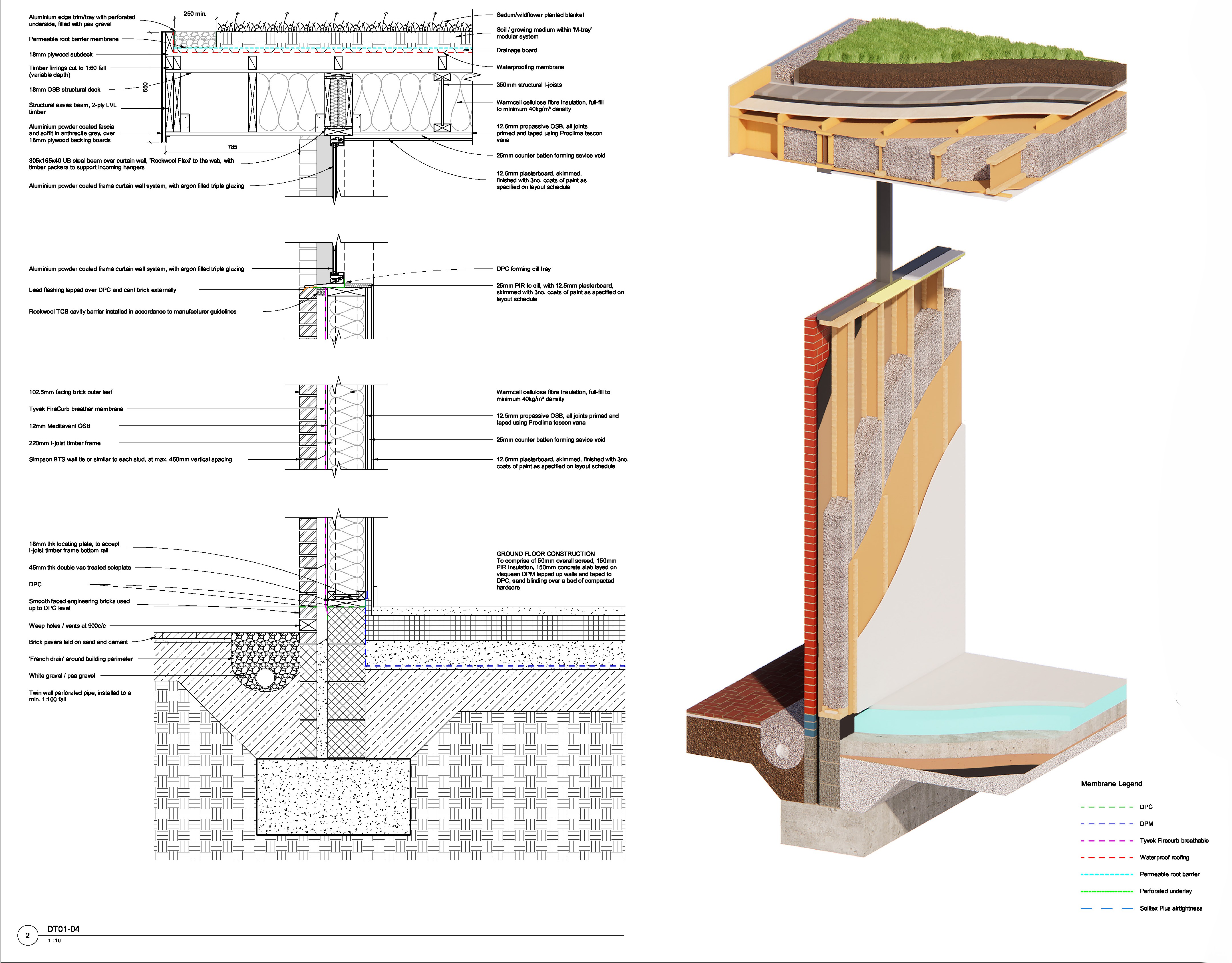
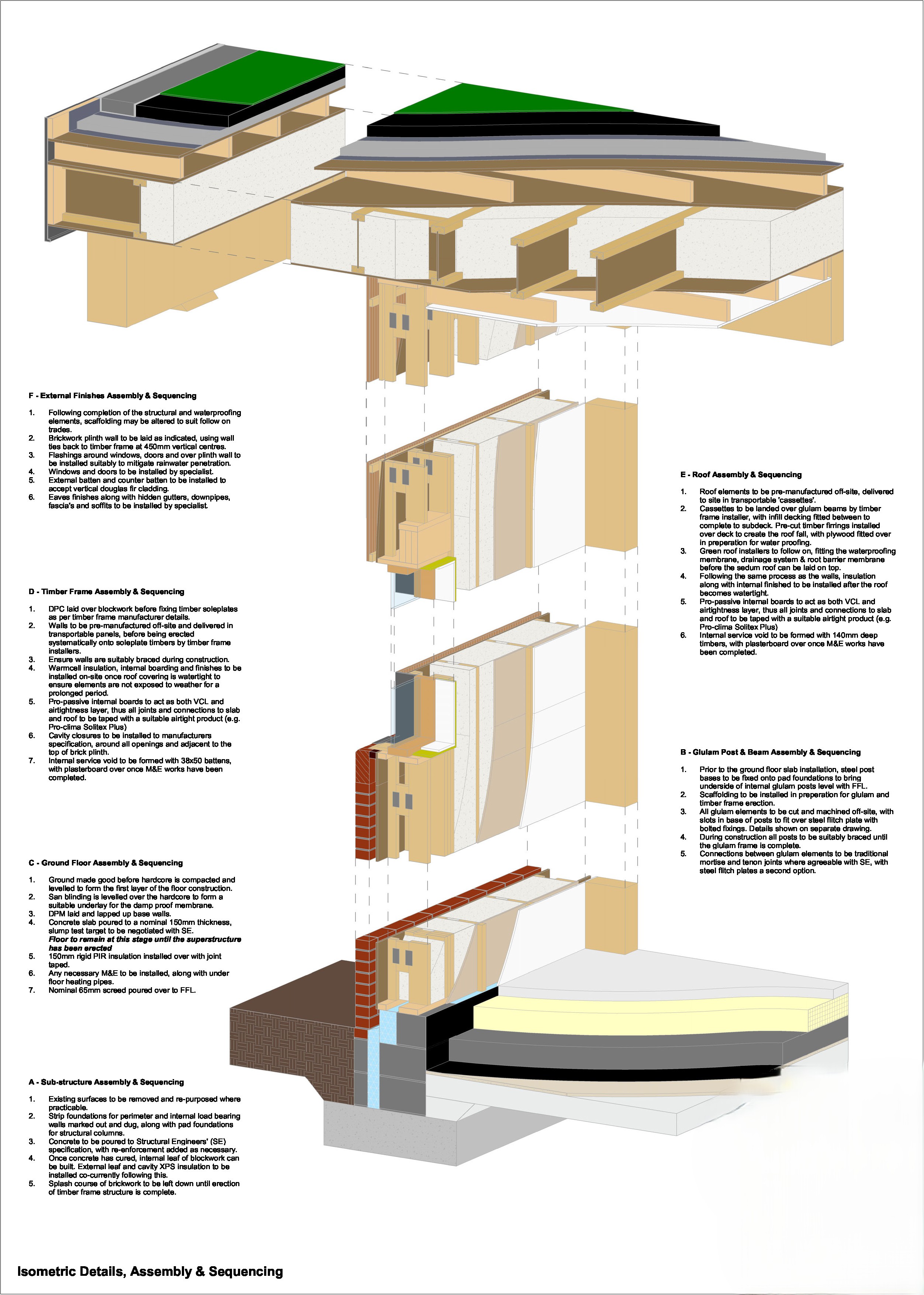
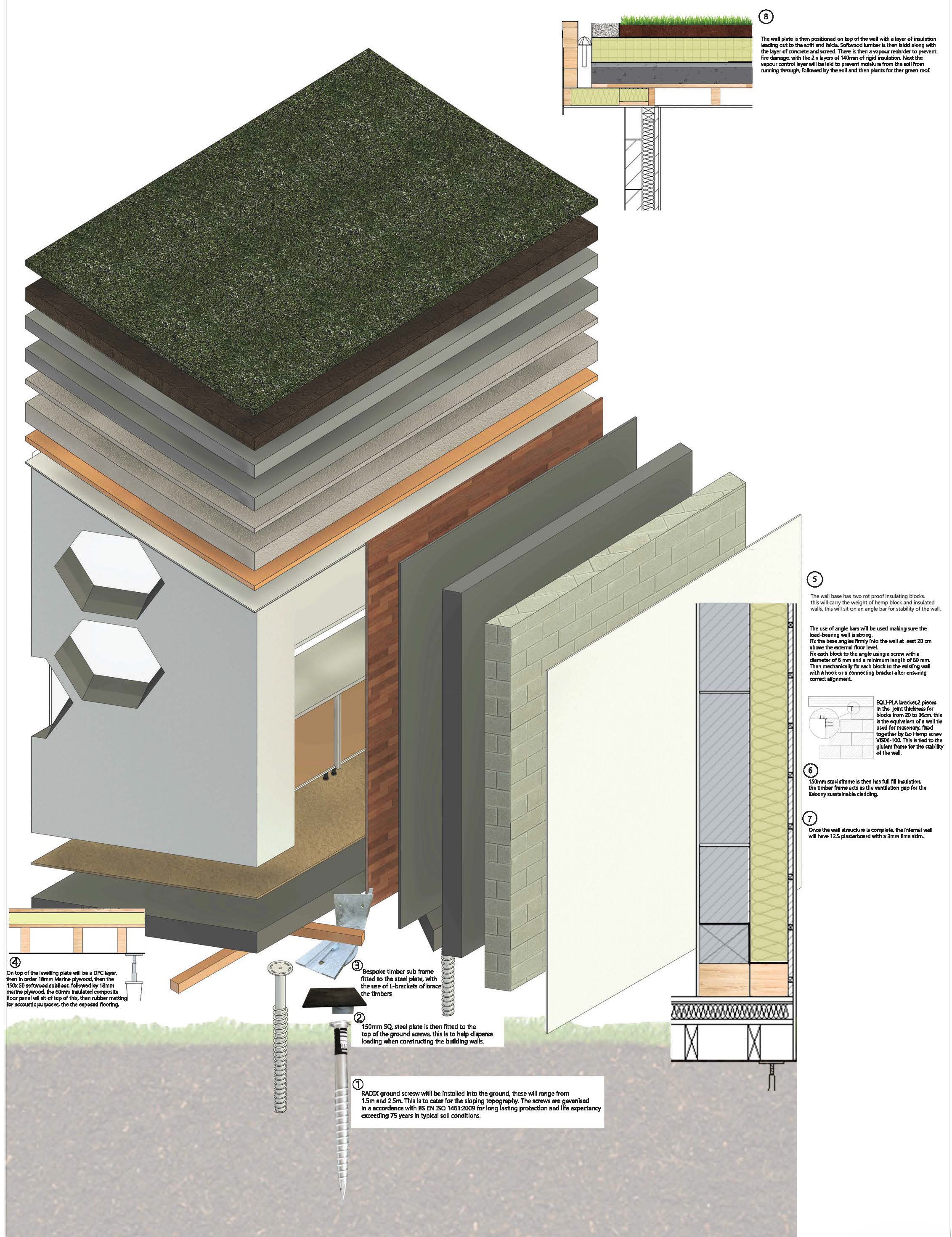
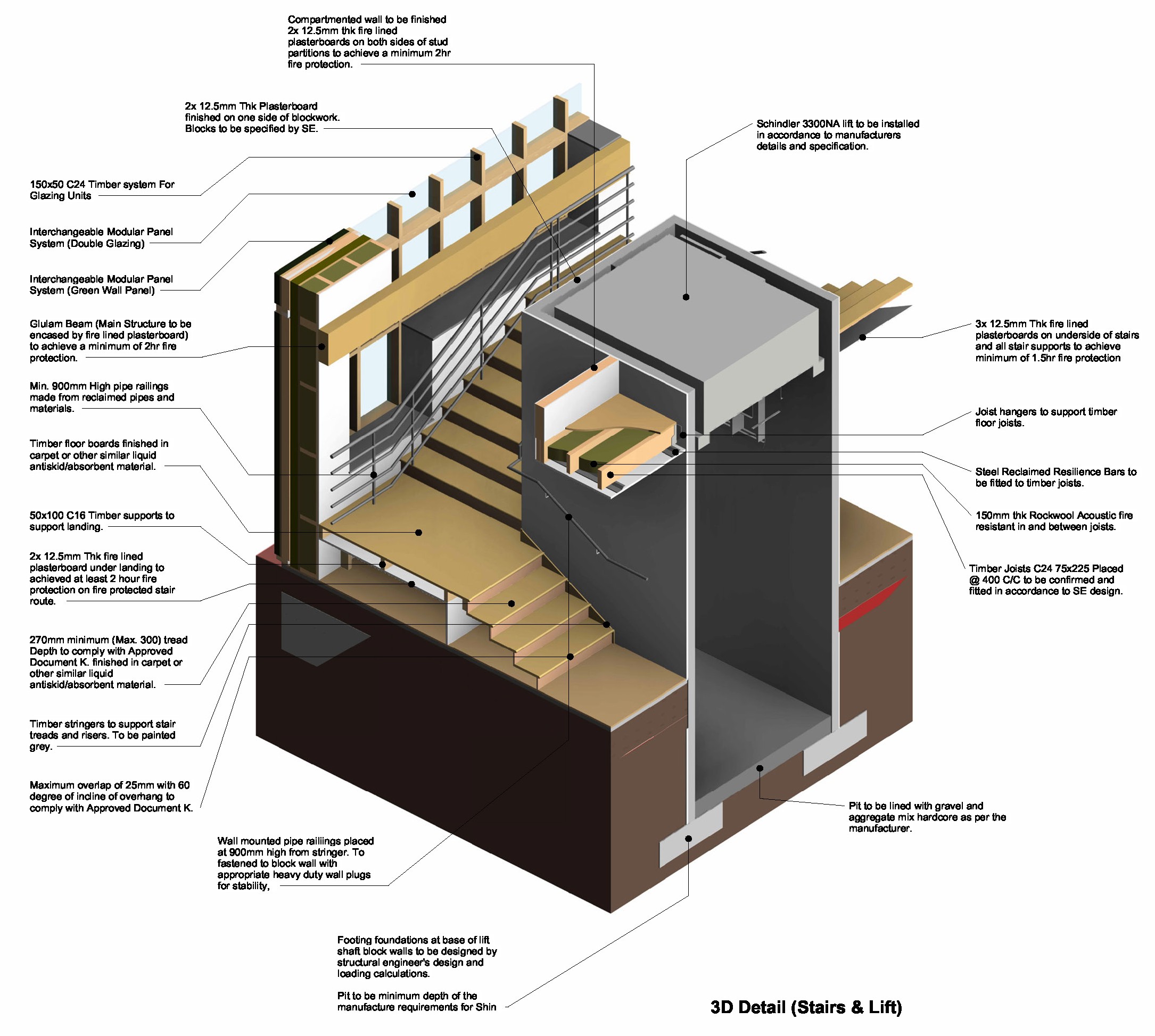
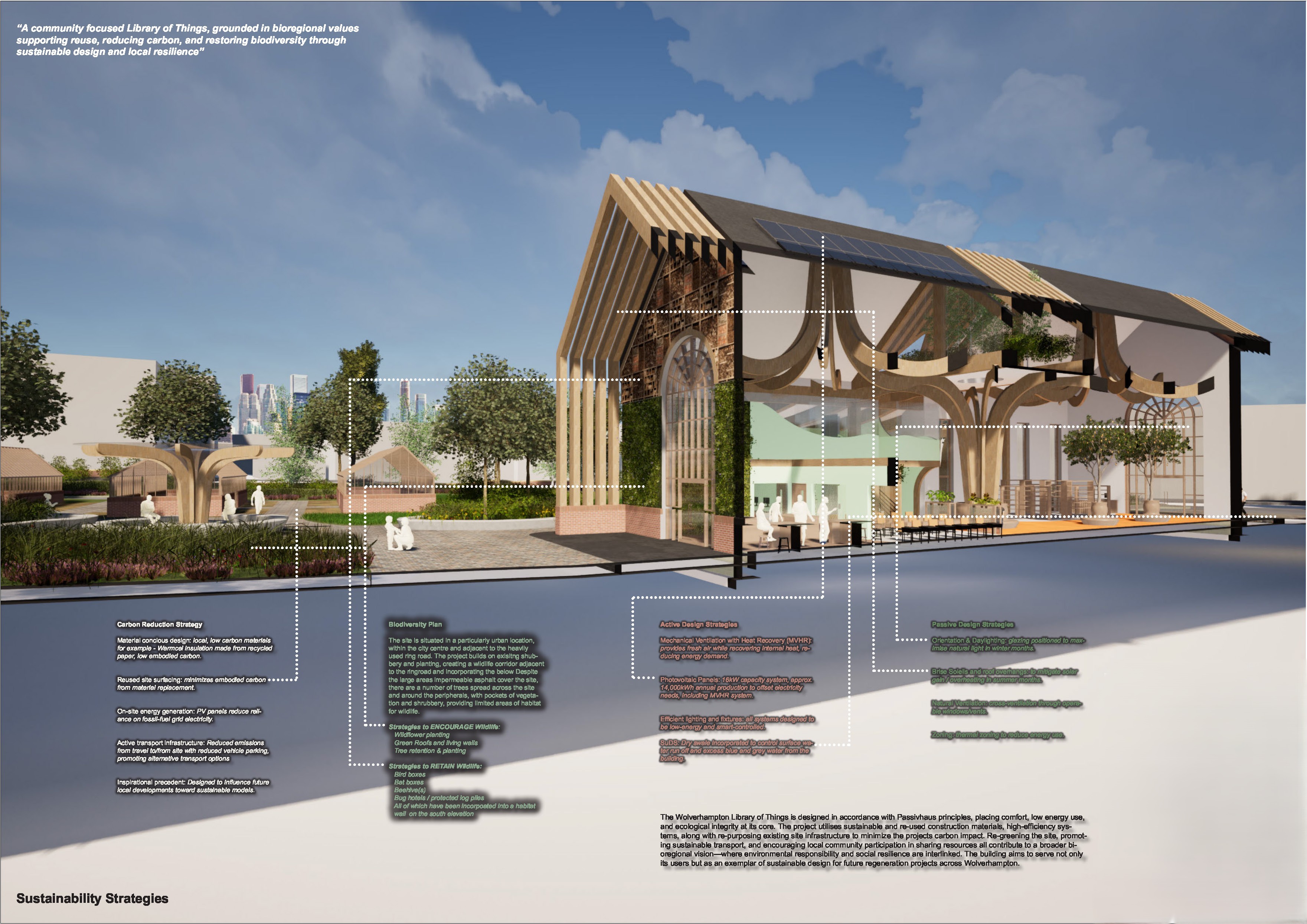
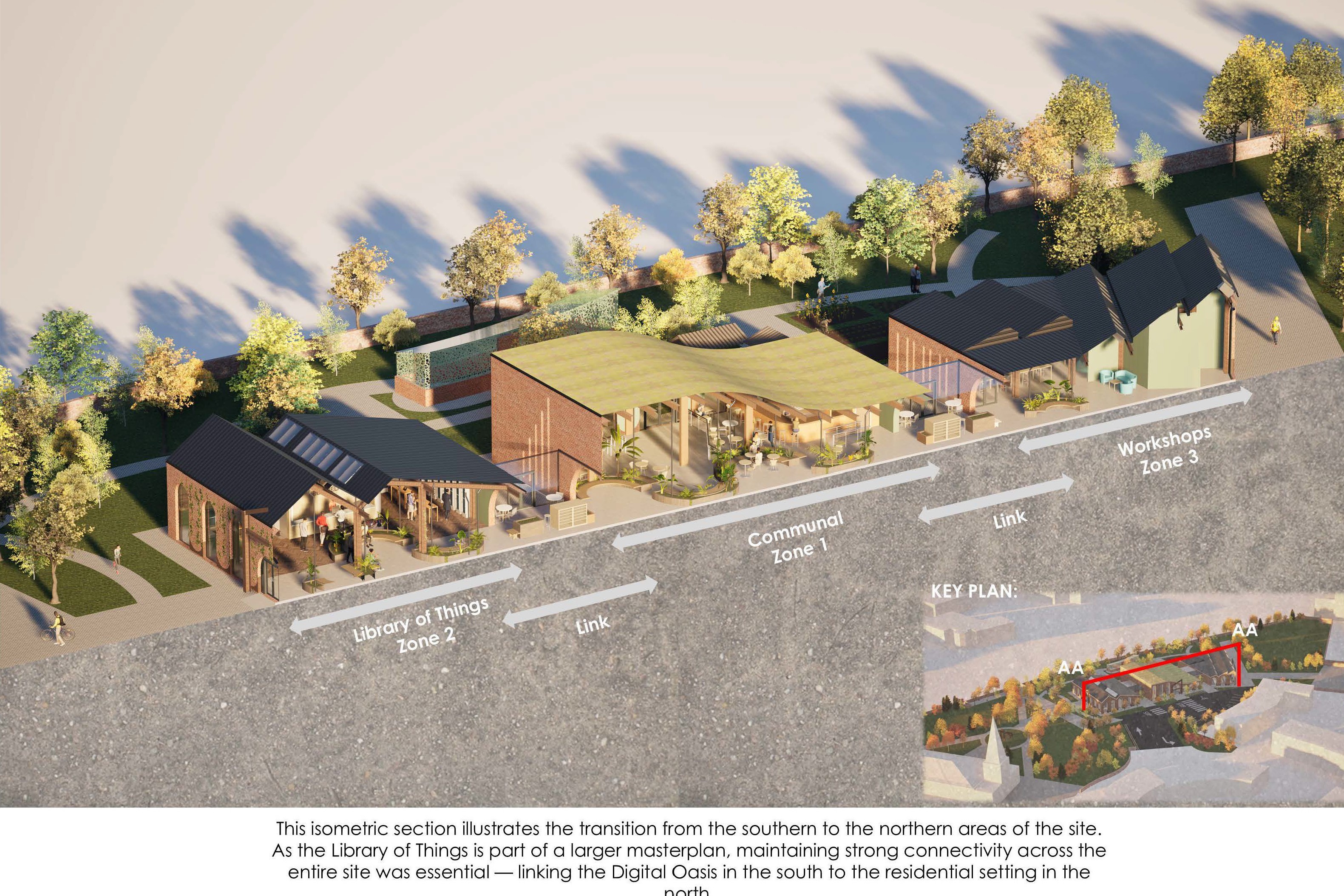
Graphic created by a first year Architectural Design Technology studentGraphic designed by a first year Architectural Design Technology studentSketch drawn by a first year Architectural Design Technology studentSketch created by a first year Architectural Design Technology studentModel built by a first year Architectural Design Technology studentSketch drawn by a first year Architectural Design Technology studentDesign created by a first year Architectural Design Technology studentDesign made by a first year Architectural Design Technology student

Year 2 – Specialising as a technologist

Your focus shifts to detail: how buildings are actually constructed, serviced and legally approved, including retrofit and adaptive reuse projects, statutory approvals, and the theory of city and urban design.

  • Design and detail both new-build and refurbishment projects
  • Manage a project through BIM from concept to completion
  • Get to grips with the UK legislation that governs what you can build, and where

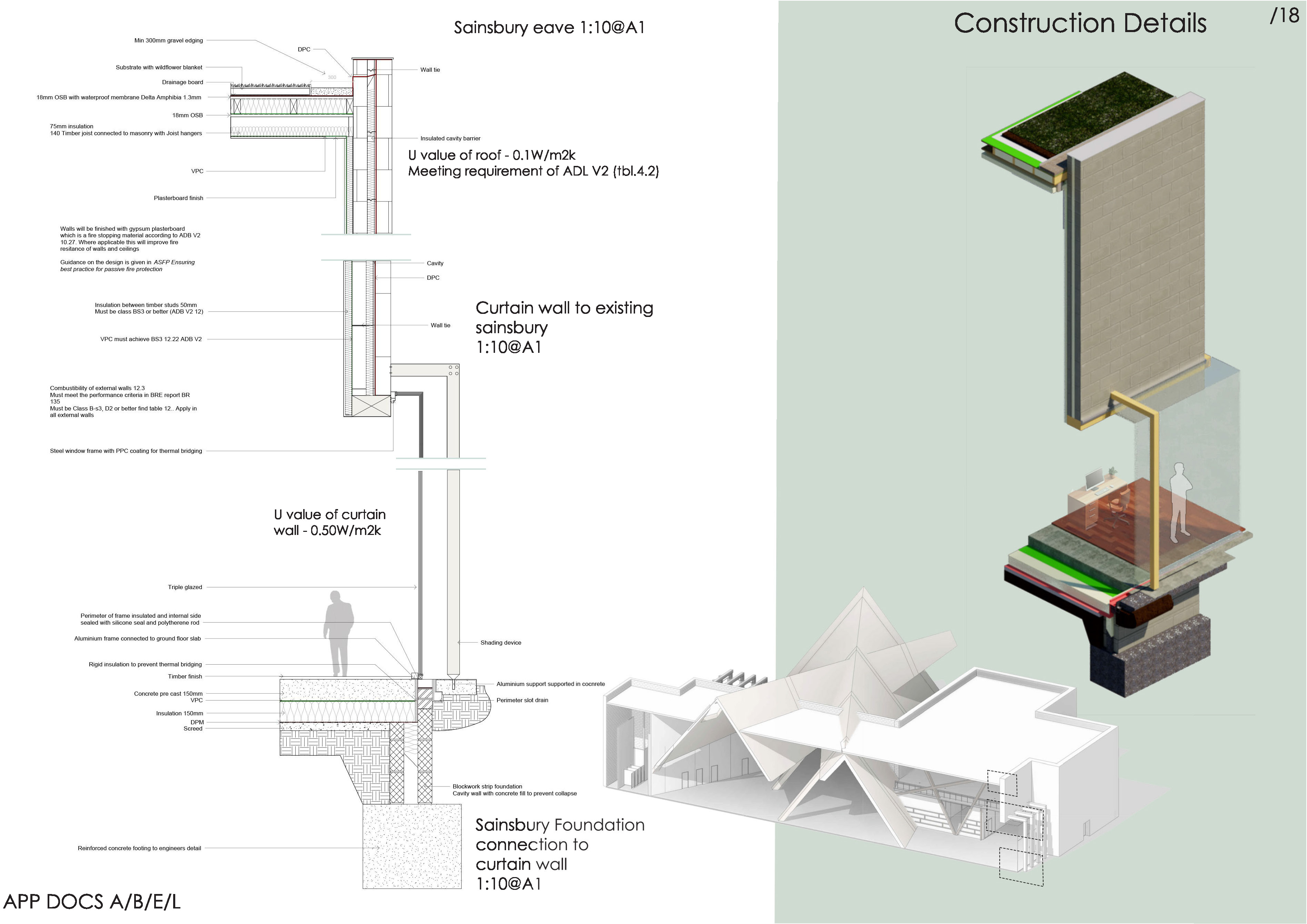
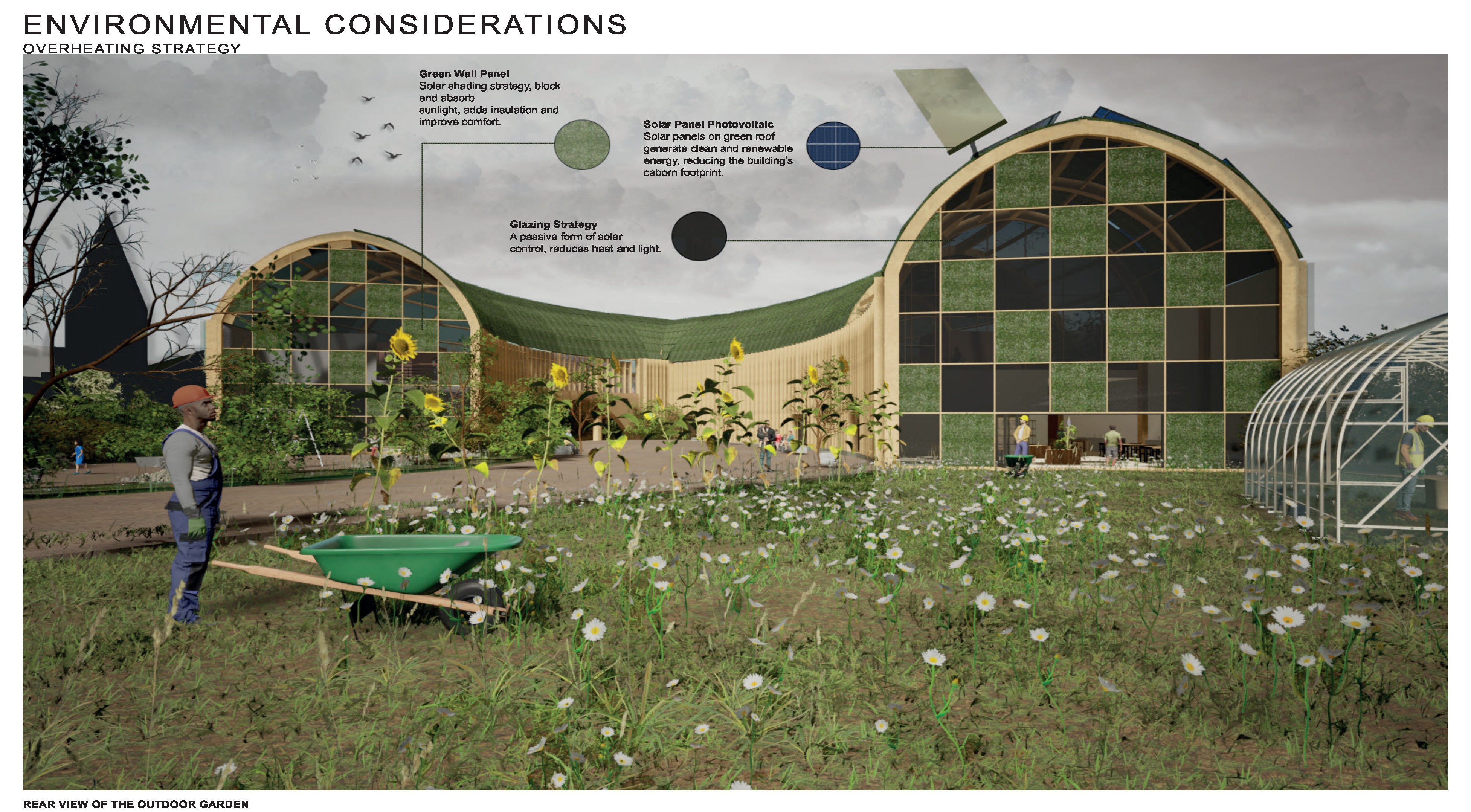
Graphic made by a second year Architectural Design Technology studentGraphic created by a second year Architectural Design Technology studentGraphic produced by a second year Architectural Design Technology studentSketch created by a second year Architectural Design Technology studentSketch produced by a second year Architectural Design Technology studentGraphic designed by a second year Architectural Design Technology studentSketch created by a second year Architectural Design Technology studentSketch produced by a second year Architectural Design Technology studentDiagram produced by a second year Architectural Design Technology student 

Year 3 – Practising like a professional

You'll lead a major, self-managed design project through to a public exhibition, enter national design competitions, and study the contracts, procurement and business skills you'll need after graduation — including a dedicated studio applying AI, VR, AR and heritage BIM to real conservation challenges.

  • Deliver a major, client-style design project from brief to public exhibition
  • Compete in national design competitions against students from across the UK
  • Apply cutting-edge digital tools to real heritage and conservation problems

Studying part-time stretches this same structure across eight years, so you can build your foundation and honours modules around existing work or family commitments.

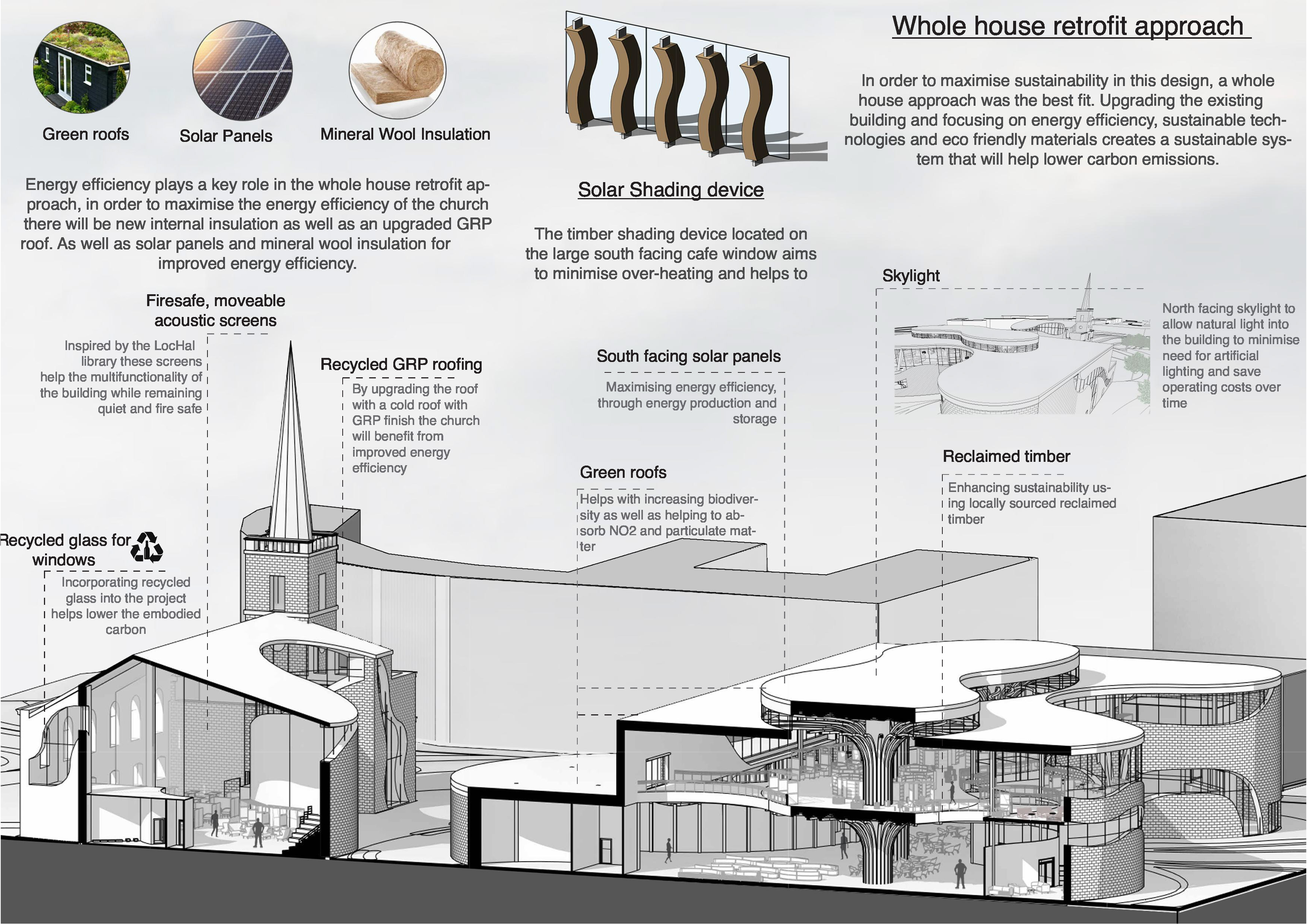
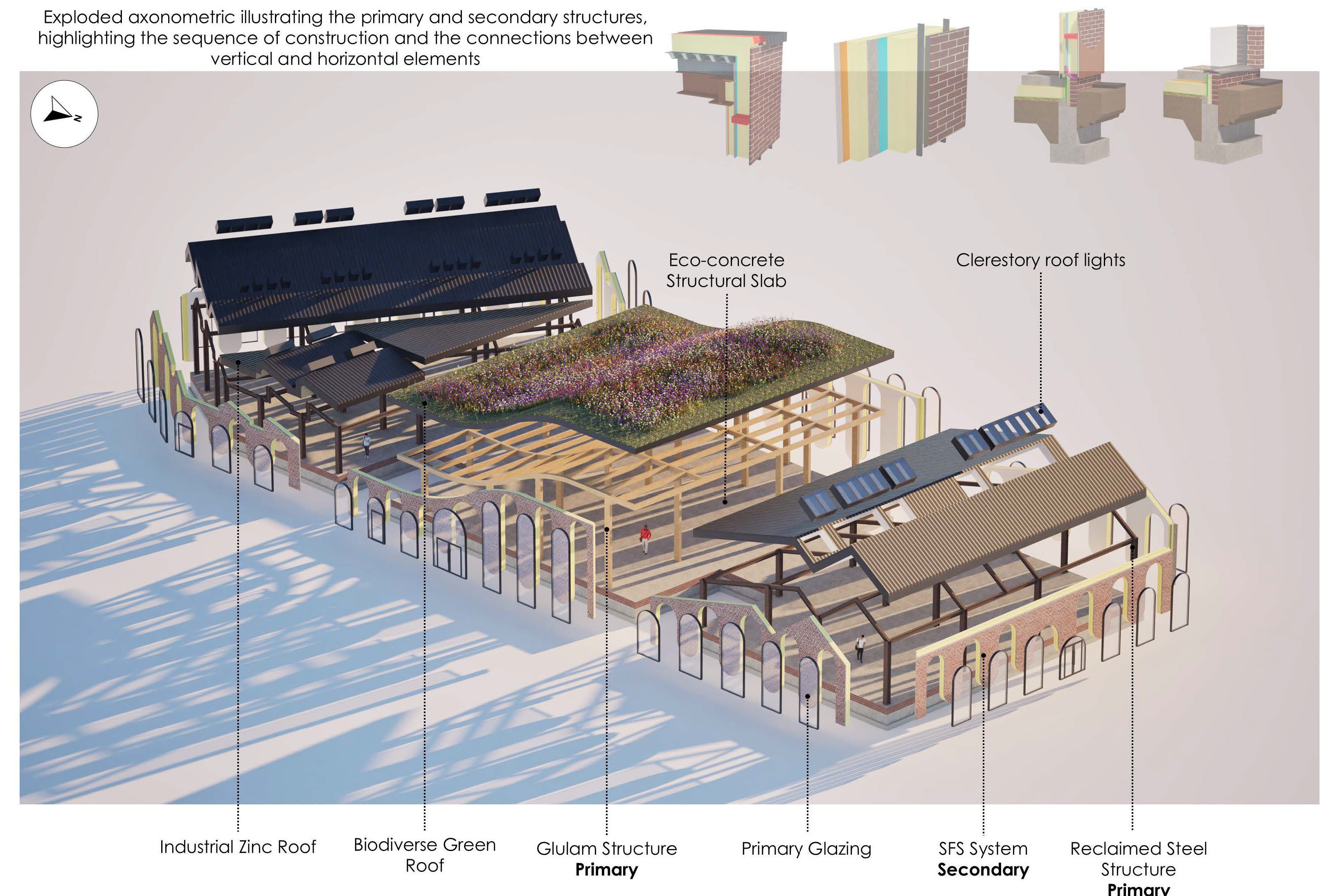
Diagram produced by a third year Architectural Design Technology studentDiagram created by a third year Architectural Design Technology studentDiagram made by a third year Architectural Design Technology studentGraphic created by a third year Architectural Design Technology studentGraphic developed by a third year Architectural Design Technology studentGraphic produced by a third year Architectural Design Technology studentGraphic made by a third year Architectural Design Technology studentVisual created by a third year Architectural Design Technology studentVisual produced by a third year Architectural Design Technology studentGraphic produced by a third year Architectural Design Technology studentg


Employability on the course

Because this course leads to exactly the same honours degree as the direct-entry route, your career outcomes as a graduate are the same — the Foundation Year exists purely to get you there on your terms.

  • A dedicated Foundation Year support structure, so you're not thrown into degree-level work before you're ready — personal tutoring and study skills support are built in from day one
  • Structured learning pathways that build deliberately from foundation skills through to leading live design projects by Year 3
  • Hands-on, real-world project work throughout the honours stages of the course, not theory taught in isolation
  • Industry-informed modules, kept current through staff research and professional links, so what you learn matches what employers are hiring for
  • CIAT accreditation with full academic exemption, plus CABE accreditation, meaning your qualification is already recognised on your path to Chartered Architectural Technologist status — the same head start direct-entry graduates get
  • The same graduate outcomes as direct-entry students, with alumni going on to work with firms including Skidmore Owens and Merrill, Kingspan, Carillion, Tweedale, and local authorities

Course Modules

Potential Career Paths

Successful completion of this course will give you an internationally accredited and recognised qualification and will form the basis for excellent career prospects as an architectural technologist throughout the world. The architectural technologist works closely with architects and other building professionals in both the public and private sectors.

Some of our graduates are now working with well respected practices and manufacturers including Skidmore Owens and Merrill, Kingspan, Carillion, Tweedale and several local authorities. In addition, some of our graduates have chosen to further their knowledge by undertaking postgraduate studies.

Additional Information

Everything you need to know about this course!

If you're worried a foundation year means starting somewhere less serious about your subject, it's worth knowing this: you'll be trained in exactly the same environment as our direct-entry students, from a purpose-built support structure designed to get you there confidently.

You'll study at our brand-new £120m Springfield Super Campus — Europe's largest construction centre of excellence — from your very first term, not just once you reach the honours stages. Our Gateway team and dedicated "Prepare for Foundation" assessment day exist specifically to support applicants who don't fit the standard entry-requirements mould, and personal tutoring throughout your Foundation Year is designed to build the confidence and study skills degree-level work demands.

Once you progress into the honours course, you'll be taught by staff with real industry experience, using the latest CAD, BIM, VR and AR technology, on a course accredited by both the Chartered Institute of Architectural Technologists (CIAT) and the Chartered Association of Building Engineers (CABE).

A Foundation Year route is likely to be a good fit if:

  • You didn't study art, maths, design or a built-environment subject at Level 3, and don't meet the direct-entry requirements as a result
  • You're returning to education after time in work, or changing career from an unrelated field, and want a supported route back into academic study
  • You have relevant interest or experience in construction, design or the built environment, but not the formal qualifications to show for it — our "Prepare for Foundation" assessment day exists specifically for this situation
  • You'd rather build confidence in maths, drawing and digital tools gradually, rather than being expected to arrive with them already in place

By the end of the Foundation Year, you'll be able to:

  • Apply core mathematical and problem-solving skills at the level degree study requires
  • Use computing fundamentals confidently, including basic programming logic
  •  Communicate ideas clearly in academic writing, presentations and discussion
  • Describe and analyse the basic principles of infrastructure and the built environment

From Year 1 onward, the same learning outcomes apply as the direct-entry course: developing design solutions that meet real briefs and regulations, working across the full design-to-construction pipeline, and building the project management and professional skills the industry expects of a qualified architectural technologist.

Location Mode Foundation Year Fee Sep intake Fee Year
Home Full-time N/A £9790 per year 2026-27
Home Part-time £4895 £4895 per year# 2026-27
International Full-time N/A £17600 per year 2026-27

The University is committed to a transparent fee structure, with no hidden costs, to help you make an informed decision. This includes information on what is included in the fee and how fees are calculated and reviewed.


If a tuition fee is not showing, we may not offer this intake for this course. Please check the start date information on the course finder for start dates.

# Undergraduate part-time fees for 50% rate of study

Academic Pathway:-

Typical entry requirement: 48 UCAS points

  • A Levels - grades DD / EEE
  • BTEC L3 Extended Diploma or OCR Cambridge L3 Technical Extended Diploma - grades PPP
  • BTEC L3 Diploma - grades MP
  • Access to HE Diploma (60 credits) of which a minimum of 45 must be at Level 3 (48 UCAS point equivalence, minimum 45 credits at merit)
  • T Levels with an overall grade of Pass and a minimum grade of D or E in Core
  • International entry requirements and application guidance can be found here
  • Use the UCAS Tariff calculator to check your qualifications and points

    Prepare for Foundation Pathway: - We will consider applicants who have not achieved level 3 qualifications if you have a keen interest in this subject area or hold relevant experience. To receive an offer through this route you will be required to successfully attend and pass a Prepare for Foundation event. This is a one-day programme which is designed to assess your keen interest or recent experience in the subject, through a written assessment and a variety of activities. During the event you will have the opportunity to ask questions, be introduced to studying a higher education foundation course and meet staff and fellow students. If you would like more advice and guidance about this admissions pathway, please contact Gateway to discuss and support you making an application to us.

    Other Requirements: Applicants must be 18 years old or above at the start of the course.

    Joel Woodward 
    2025 CIAT Report of the Year Award Winner 
    Architectural Technologist - Weedon Architects 
    "I chose Architectural Technology because I've always been fascinated by how the artistic and technical sides of buildings work together to create meaningful spaces for human interaction. Architectural Technology strikes the perfect balance between creative design and the practical realities of how buildings are assembled, perform, and impact their surroundings.  
    One of the things I enjoyed most throughout the course was the access to industry standard technology and specialist equipment. The studio environment was another major highlight as it encouraged collaboration, open discussion, and the sharing of ideas, which helped me grow both creatively and professionally. Learning in a space that reflected real industry practice made the experience engaging and helped build strong teamwork skills essential for the built environment. The course has equipped me with a strong mix of technical, creative, and collaborative skills that are essential in industry.” 

    Esha Khan 
    Architectural Technologist - ADM Studio 
    “My interest in architecture started in my early teens. I was always drawn to extraordinary buildings, not just because of how good they looked, but because I had a passion for learning how the buildings were actually built. I wanted to understand the process behind it and to be able to say, ‘this is how it was designed and constructed.’ That’s what led me to pursue a course in Architectural Technology. The course didn’t just teach me how to be creative with a concept; it also helped me understand how a building is technically put together in real-life scenarios. I learned about choosing suitable materials, evaluating environmental performance, producing construction details that show how different elements connect, and making sure everything meets the legal requirements”.  

    Daniel Hawkins  
    Graduate Engineer - Wintech  
    "Taking Architectural Design Technology really built on my love for 3D modelling and gave me the professional foundation I was looking for, especially with its CIAT accreditation. The course pushed me beyond just the software and taught me how to bring ideas to life through physical models and VR projects. It helped me understand the purpose behind my design choices and gave me the confidence to explain and defend them in a professional setting. All whilst providing the exposure and freedom to explore different software and ideas." 

    Ryan Kumar 
    Lead Architectural Designer - ATCO Studio, London 
    “The reason I chose Architectural Design Technology is due to the fascination I had growing up how buildings are constructed. The things I enjoyed learning were real life applications for tools we can use/introduce to who we work with in the future. The cutting edge and new softwares we learned really made me feel like I am learning something upcoming and applicable to real world to make a positive change. For me, Architectural Technology is a key part of the built environment, fusing design with practicality”.  

    Nathan Millward 
    Architectural Technologist - Glancy Nicholls Architects 
    “The course appealed to me because it covered all sides of architecture, from historical to modern day technologies. It was great to experience both, visiting historic buildings to learn about traditional building techniques, and then looking into more modern sustainable building practices.  
    The software and drawing techniques have been my favourite part to learn. They’re how we communicate our design proposals, so it was great to learn how to present them in different formats. 
    AI is inevitably going to be part of the future, and it was great to see the course embrace this rather than shy away from it. Learning tools like Midjourney was beneficial and it shows the course is keeping up with industry practices”. 

    Chartered Association of Building Engineers (CABE)

    Accredited by the Chartered Association of Building Engineers (CABE).

    Tuition Fees Loan (Home Fee Status):

    Most students will be able to apply for a loans to pay for these subject to eligibility. To find out more information please refer to the government Student Finance website.

    Changes for EU students:

    The UK government has confirmed that EU students starting courses from 1 August 2021 will normally be classified as having Overseas Fee status. More information about the change is available at UKCISA:

    EU citizens living in the UK with 'settled' status, and Irish nationals living in the UK or Ireland, will still be classified as Home students, providing they meet the usual residency requirements, for more information about EU Settlement Scheme (EUSS)


    Self-funding:

    If you don’t want to take out a loan to pay your fees or if you aren’t eligible to receive a loan, you might want to take advantage of the University’s scheme to pay by instalments: See How to pay.

    For more information please contact the Gateway.


    Your employer, embassy or organisation can pay for your Tuition fees:

    If your employer, embassy or organisation agrees to pay all or part of your tuition fees; the University will refer to them as your sponsor and will invoice them for the appropriate amount.

    We must receive notification of sponsorship in writing as soon as possible, and before enrolment, confirming that the sponsor will pay your tuition fees.


    Financial Hardship:

    Students can apply to the Dennis Turner Opportunity Fund.

    for help with course related costs however this cannot be used for fees or to cover general living costs.


    Bursaries and Scholarships:

    In addition the University also offers a range of Bursaries and Scholarships packages

    You can find more information on the University’s Funding, cost, fee and support pages.

    Telephone

    01902 32 22 22

    Email

    enquiries@wlv.ac.uk

    Online

    Order a prospectus

    How we compare

    Find out how our course is rated on Discover Uni, the official website for comparing UK higher education courses.

    Find out how our course is rated on Discover Uni, the official website for comparing UK higher education courses.

    Full-time Course

    Part-time Course